译者按:
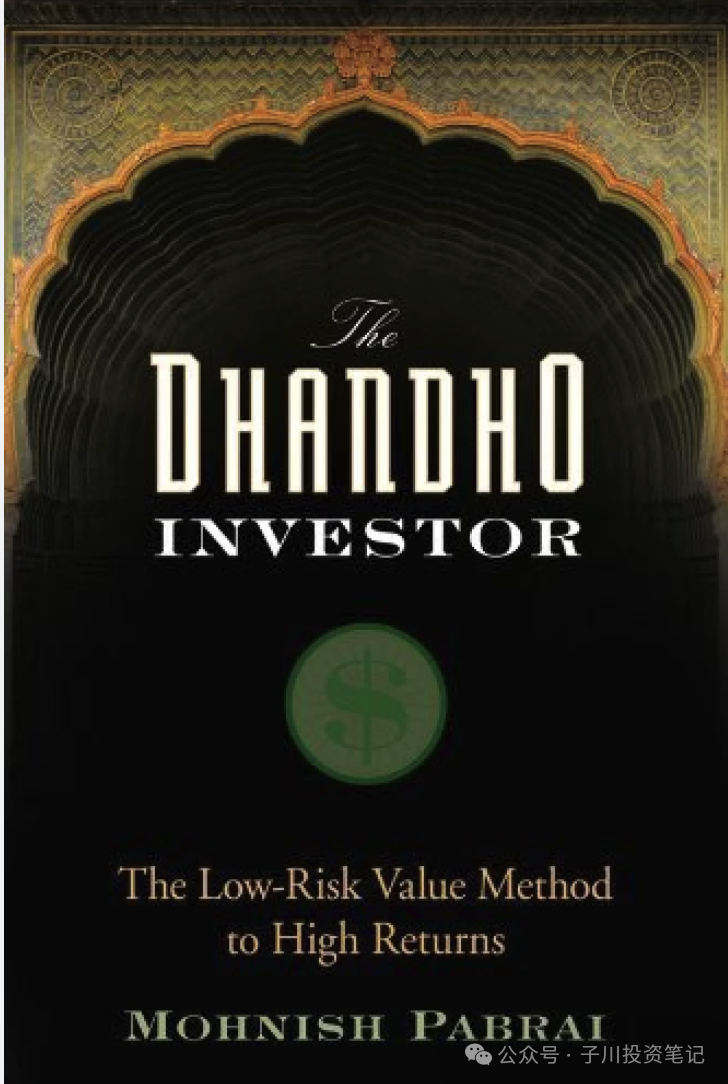
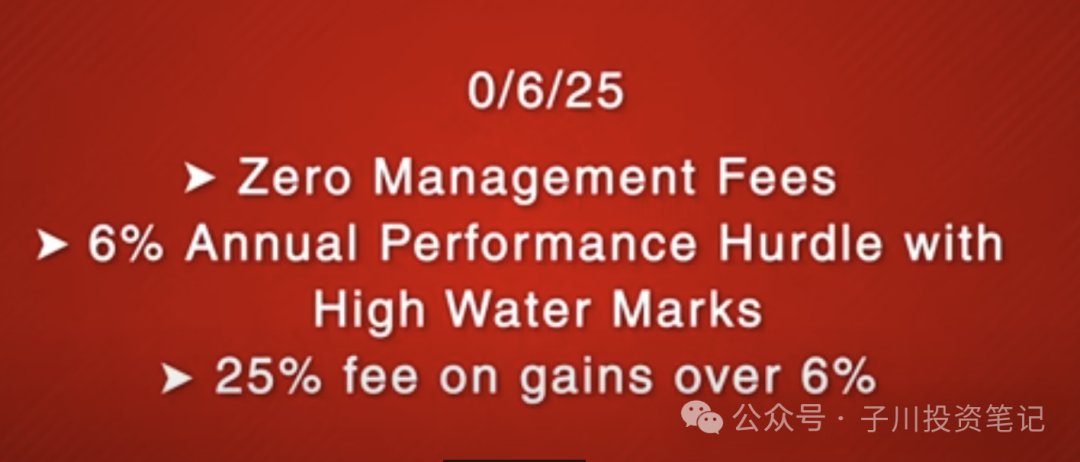
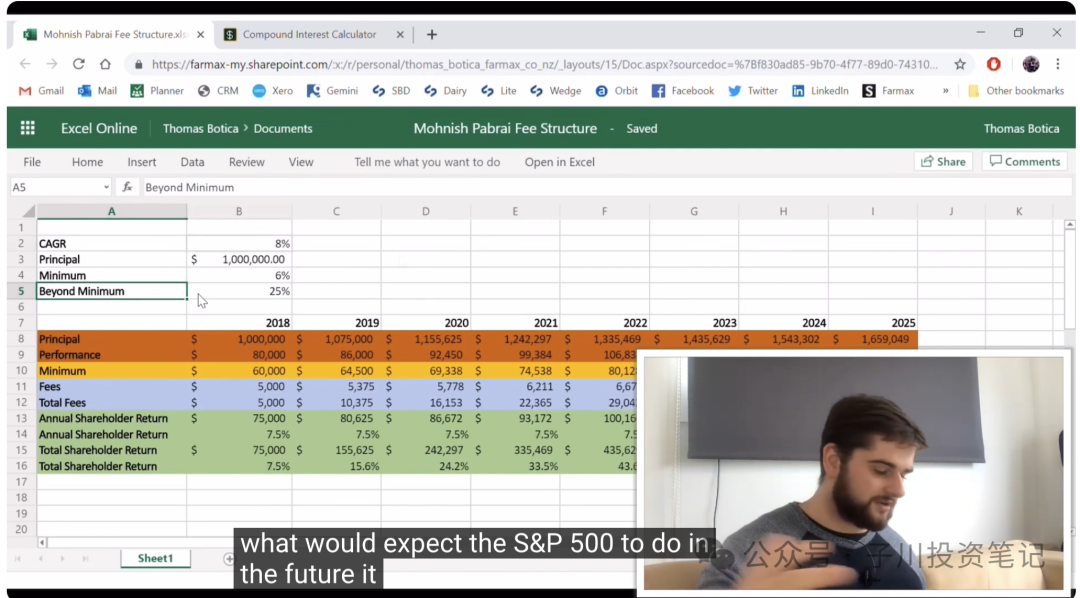
本篇为1960巴菲特致合伙人信的第二封,于1961年7月发出,是早期巴菲特信中相当重要的一篇。此次,巴菲特详细说明了计划于1962年成立的新合伙企业的运作机制。其管理人与投资者利益高度绑定的思想,延续至今。简言之就是0/6/25,0管理费,业绩超6%时,巴菲特才在超额收益中获得25%。这种High Water Marks的做法在投资界非常少见,既表明巴菲特有信心能够长期跑赢大市,也体现了他愿意让利,并与投资者长期共同成长的理念。为准确理解本篇内容的每个细节,我搜集查阅了大量资料。其中三个参考来源,推荐给有兴趣的读者。1.Mohnish Pabrai 的书"The Dhandho Investor_ The Low - Risk Value Method to High Returns "
Charlie Munger’s Commentary on the 0/6/25 1960s Buffett Partnerships Fee Structure 地址:https://www.youtube.com/watch?v=lfRWWxo3Y4YThe 0/6/25 Fee Structure Explained (less boring than it sounds!)地址:https://www.youtube.com/watch?v=peTXhQkzPPs&t=627s4.论坛 Corner Of Berkshire&Fairfax 的帖子:https://thecobf.com/forum/topic/9661-pabraibuffett-partnership-fee-structure/说句题外话,初看巴菲特,很容易慨叹自己与巴老相比,“时代、境遇、家庭、胆识、智力、体魄”没一样能占优,学了怎么用?无从下手。后来渐渐发现,研究不同能力圈、不同背景的后来人如何看待、思考、运用巴芒理论,也十分有益。一来可以从多个视角更完整体会巴芒投资哲学的全貌。二来,伯克希尔投资的企业还是少数,同道中人们所处行业、地区更为丰富。观察他们的思考与行为,为我们自己捕捉信息、判断信息、制定决策,构建了更完整的参考系。第三,从实用角度出发,如果恰好有一个与你理念相近,并且愿意采用类似巴菲特模式管理资金的GP,方法论自信,愿意与你共同富裕,那就幸事一件了。BUFFETT PARTNERSHIP, LTD.合伙人们曾说一年一封“致股东信”间隔太久了,半年一封更好。其实每半年找些内容写封信并不难;至少今年如此。所以,以后也会有半年信。1961年上半年,道琼斯工业平均指数整体涨幅约为13%(含股息)。尽管我们的业绩照理来说,很难在这类市场时期超越道指,但所有合伙企业半年来的表现都略好于平均。1961年新成立合伙企业从成立时起计,表现要么与平均水平持平,要么超过平均水平,主要取决于它们运营时间长短。然而我想强调两点。首先,就评估一项投资表现而言,无论想形成任何观点,一年时间都太短了,六个月更不可靠。我犹豫是否写半年信的一个因素就是,担心合伙人开始关注短期业绩表现,而这非常误导人。我自己的思维方式更倾向于看五年表现,最好能在强市、弱市中都测试过相对业绩。我想让大家理解的第二点是,如果市场继续像1961年上半年这样快速上涨,我不仅怀疑我们能否继续超越道琼斯工业平均指数,反而可能会落后于平均水平。我始终认为我们的持股比一般投资组合保守,并且随着大市上涨会变得愈加保守。任何时候,我都试图让我们投资组合中一定比例的证券,至少与市场行为部分隔离,而这一比例应该随着大市上涨而增加。在牛市中,即使业余厨师(也许尤其是业余厨师),也可以做出美味佳肴,但我们发现我们自己的很多投资组合已经不在炉子上了。(译者注:在牛市中要做到现金越来越多,不是标的越来越多。总体策略思路应该是越涨,仓位中与市场隔离的比例越大,当然,这个隔离的速度和时点把握比较讲究。另外,个人观点:对于小资金来说,在大市值普涨阶段,除了将仓位逐步调整到套利、债券、类现金组合以外,还可以将少部分转为小市值吃爆发,然后逐渐从小市值转回低风险。)
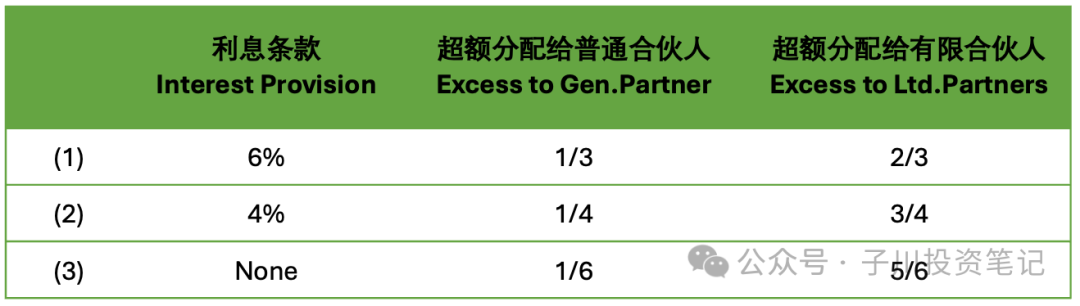
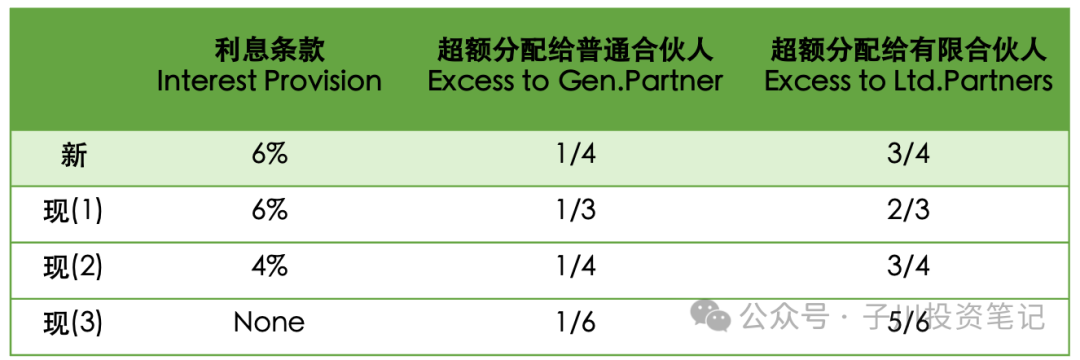
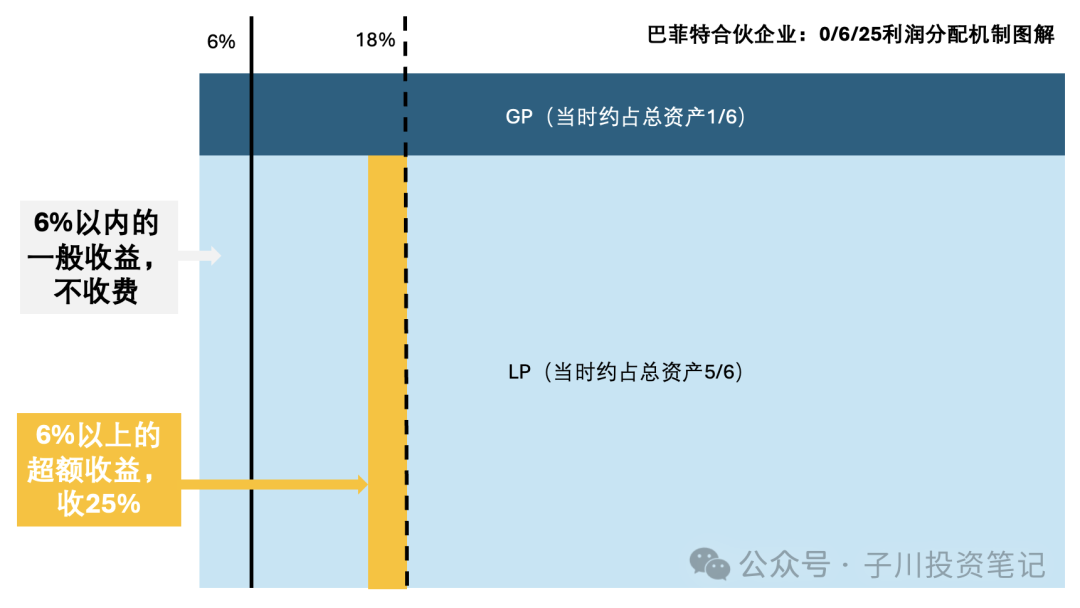
我们也在公开市场展开了一项重大潜在收购,当然,我希望至少一年内这个收购行为不会影响到市场。这项投资虽然可能影响短期业绩,但它不仅承诺在几年内带来优越回报,而且具有显著的防御特征。关于年末合并所有合伙人的工作,我们也取得了一些进展。我已与过去一年内新加入的所有合伙人讨论了这个目标,也与早期所有合伙企业的合伙人代表深入探讨了该计划。(A) 所有合伙企业基于年末市值合并。条款规定,对于年底未实现收益在未来产生的税务责任,将在合伙人间适当分配。合并本身是免税的,并且不会加速利润实现;(B) 新的利润分配机制是:利润在有限合伙人和普通合伙人之间的分配,其中前6%按初始资本在年初时的市场价值分配,超出部分按1/4分配给普通合伙人,3/4按资本比例分配给所有合伙人。如果收益低于6%,不足6%的部分将结转到未来有超额收益的年度,但不会回溯过往。现在,正在施行的有三种利润安排:在有利润的情况下,新分配方案显然对现在选择前两种方案的有限合伙人更有利。就第三种方案而言,新方案在每年收益不高于18%时优于现有协议;但收益率超过18%时,有限合伙人在现有协议下会获得更好收益。现在,大约合伙企业总资产的80%选择了前两种安排。我希望,如果我们每年业绩平均超过18%,目前在第三种安排下的合伙人不会觉得在新协议下受到亏待;新方案后来被简称为0/6/25,就是不收管理费。年收益6%以下时,巴菲特没有额外收益,只有在年收益6%以上时,巴菲特才在利润中收25%。具体见下图
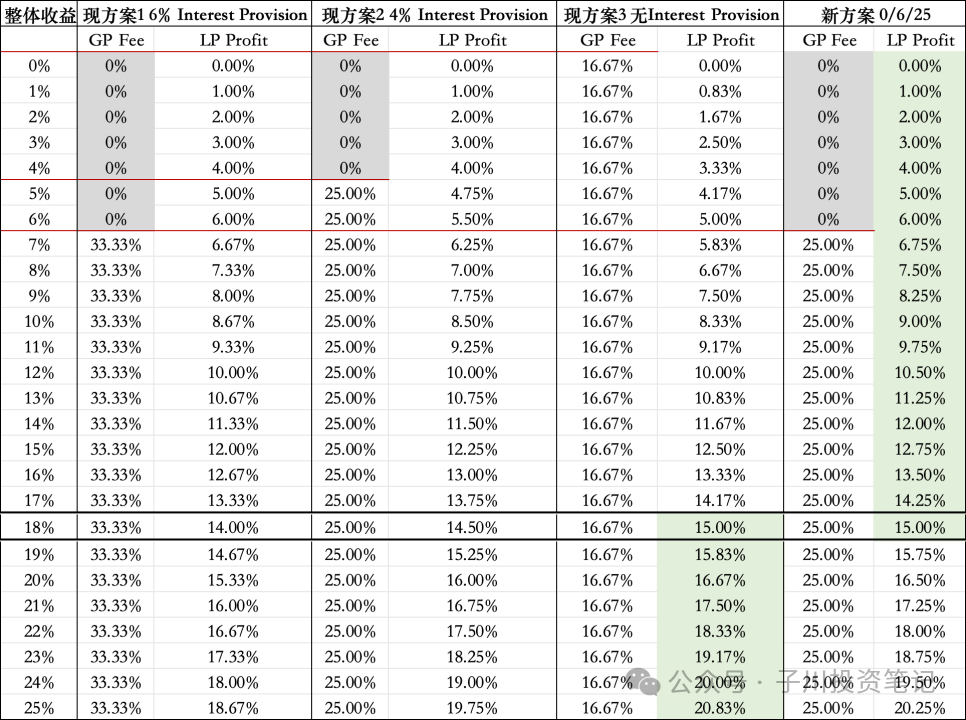
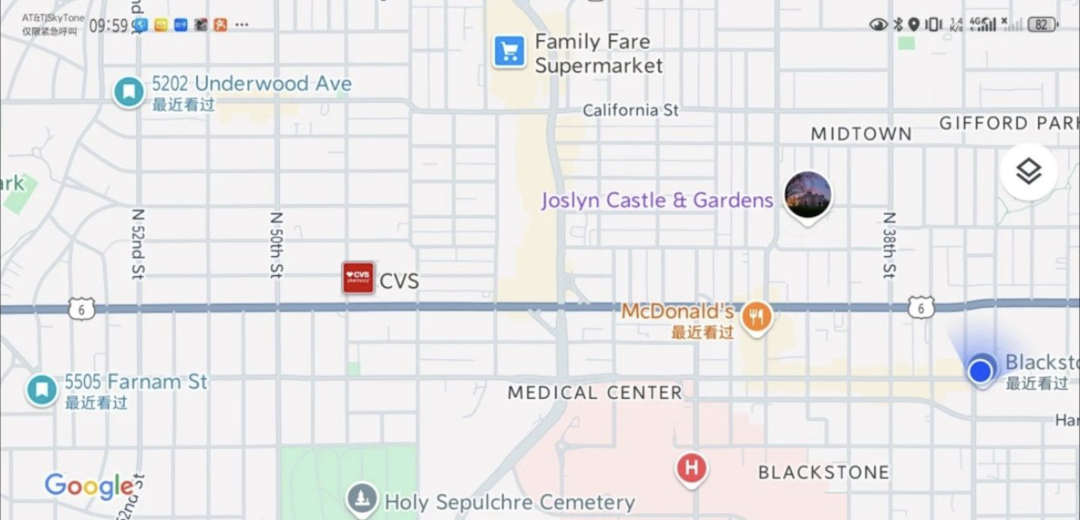
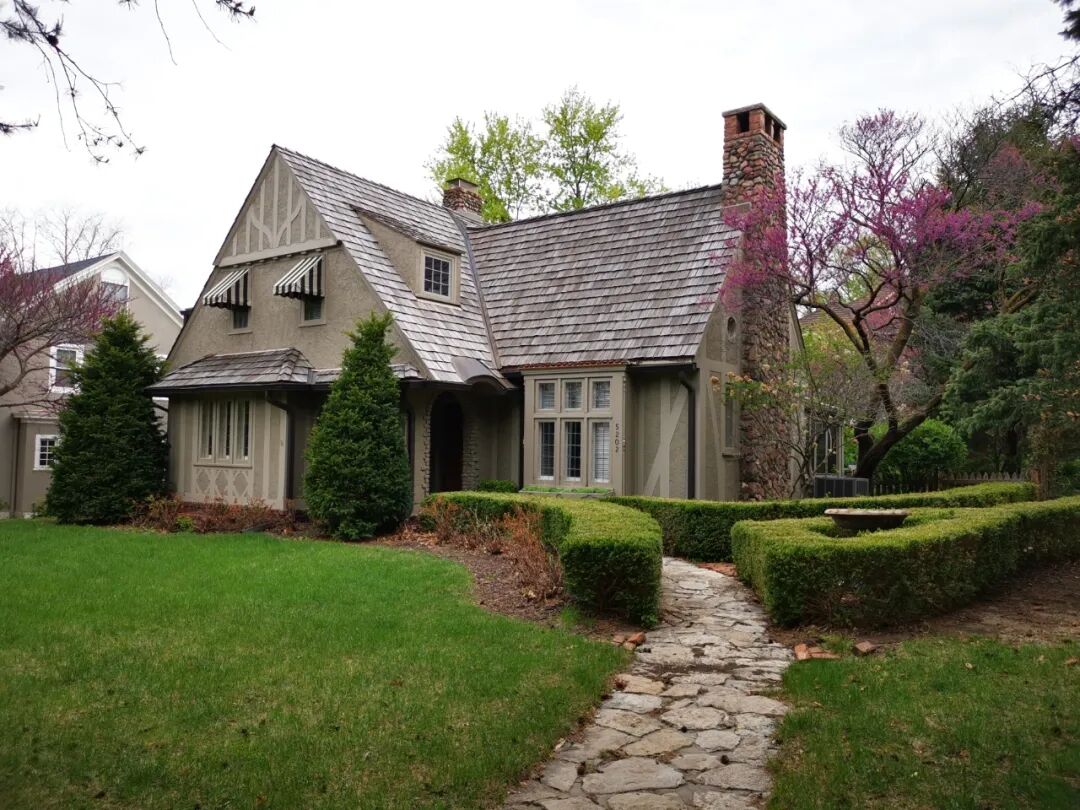
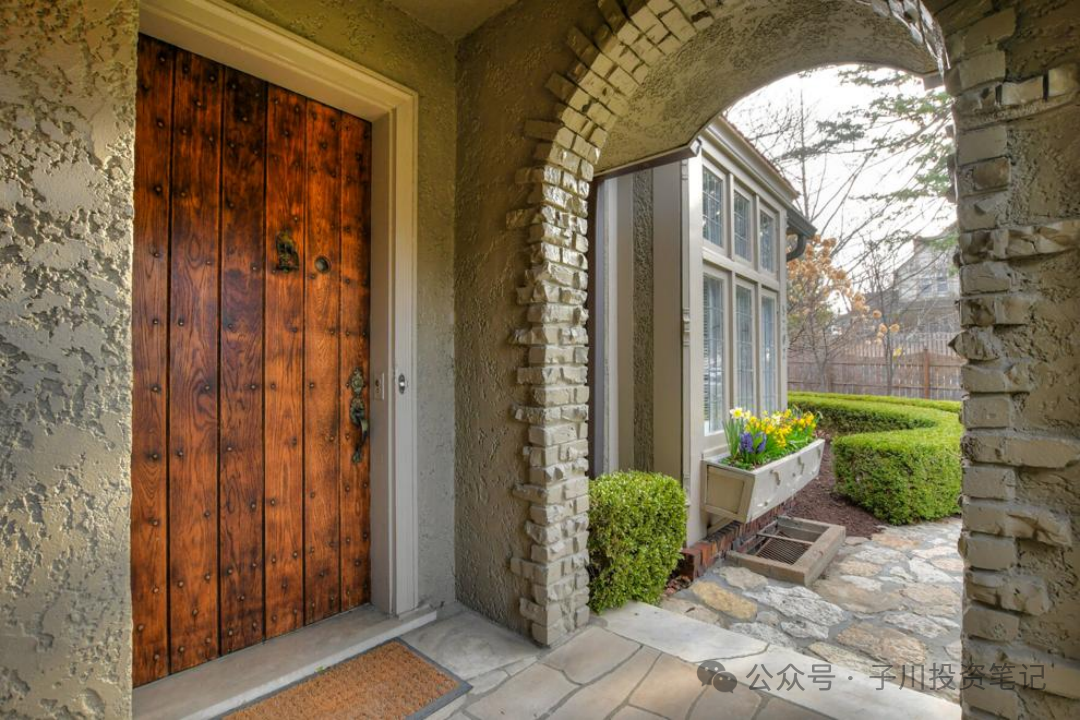
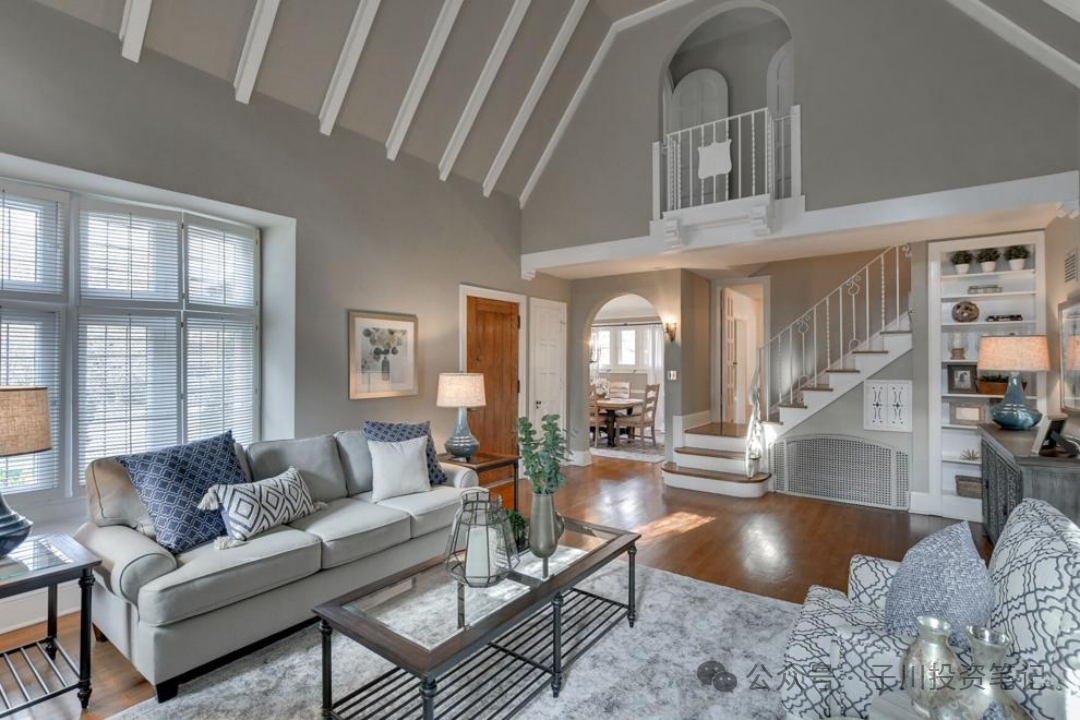
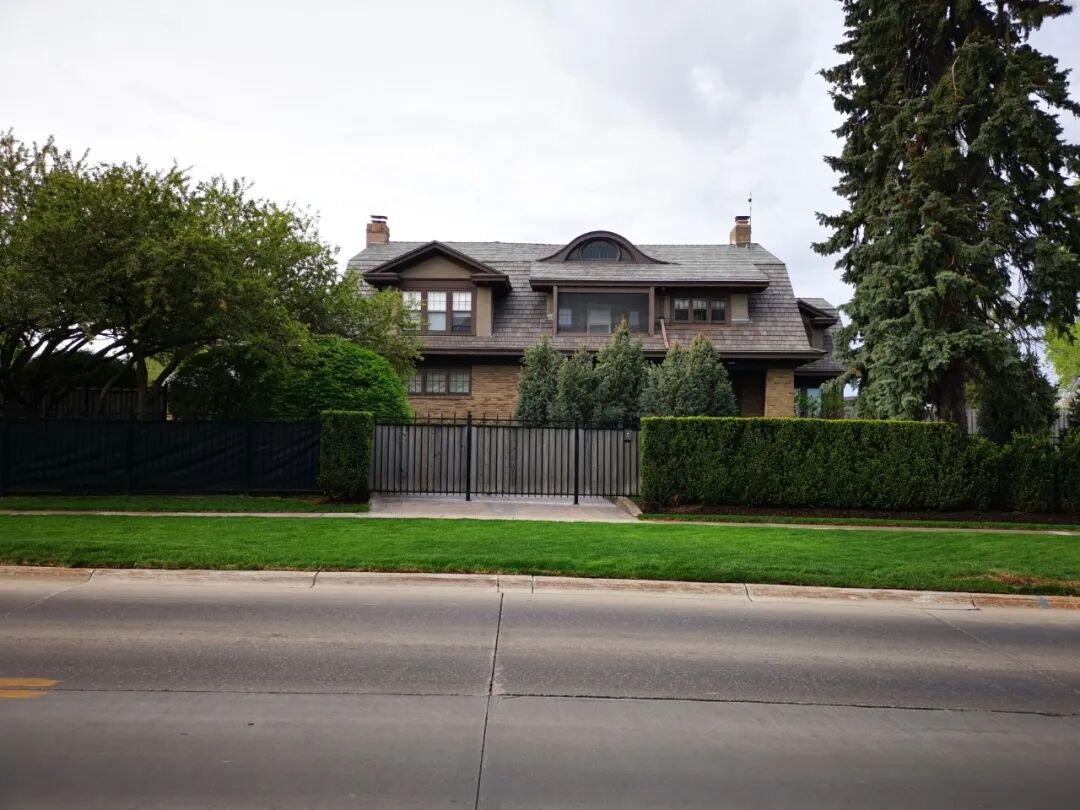
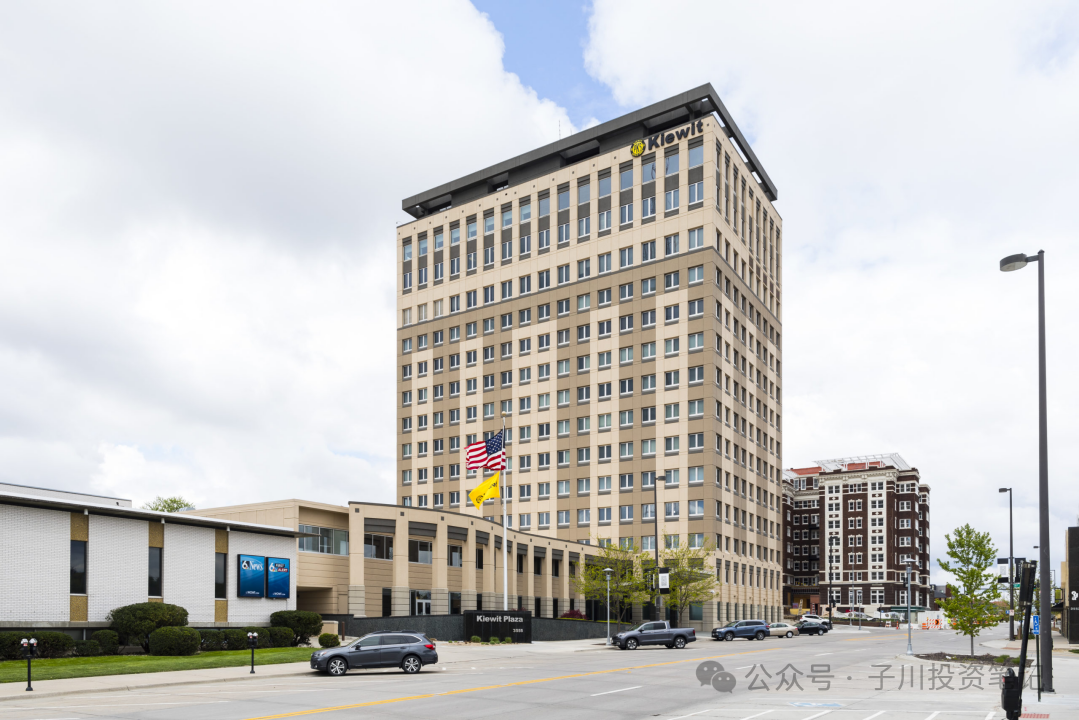
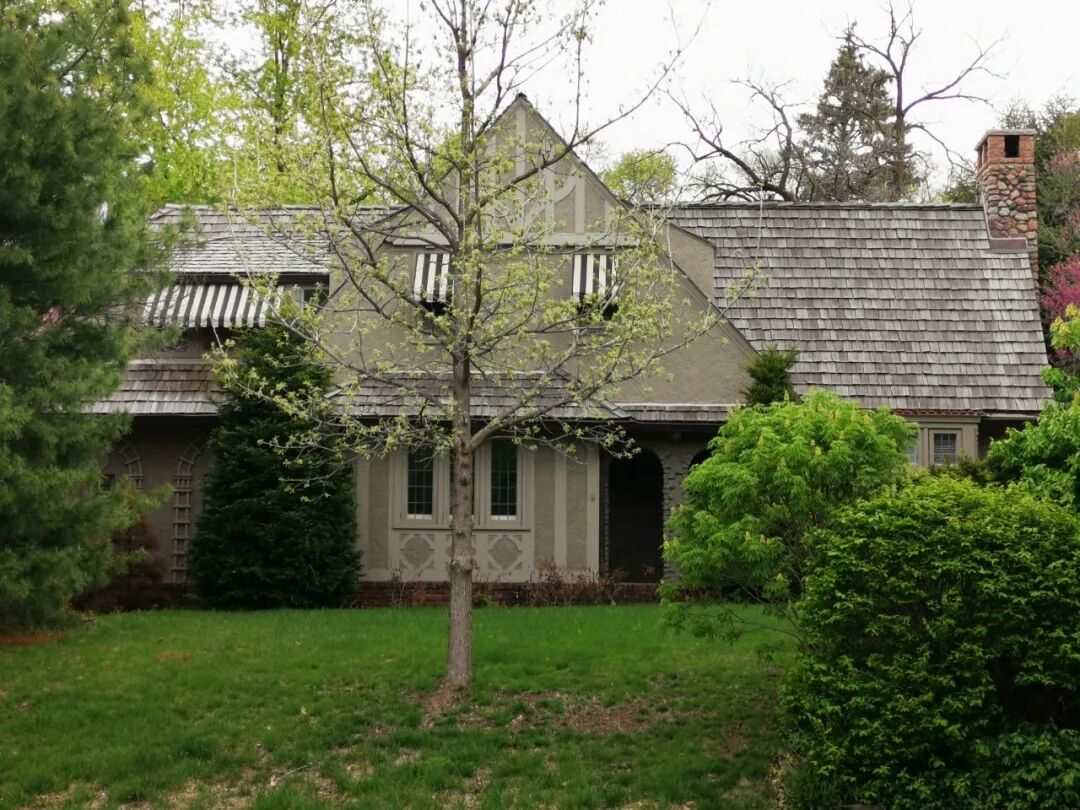
我也试算了从0%-25%收益情况下的新旧方案对比,可以看出,对有限合伙人来说,新方案全面优于旧方案1和旧方案2。在和方案3的对比中,如果年收益小于18%,新方案占优,反之旧方案占优。(C)发生亏损时,不会追溯之前分配给我(作为普通合伙人)的收益。尽管如此,未来的超额收益将会用来弥补这些亏损。不过,我和我妻子在新合伙企业中将拥有最大单一投资,可能约占合伙企业总资产的六分之一,因此在发生亏损时我们承担的金额损失将大于任何其他家族合伙人群体。我在合伙协议中插入了一项条款,禁止我或我的家庭成员购买任何可交易证券。也就是说,新合伙企业将代表我在可交易证券投资中的全部操作,因此我的成果势必与你的成正比,而且只有我们的表现超过6%时,我才会获得超额收益;(D) 每月按6%年化支付的分红,基数按年初市值计算。对不希望立刻提取现金的合伙人,这笔钱会自动作为预付款记入他们的账户,用于在年底购买合伙企业的额外股权,预付款同样按6%年化计息。这解决了之前阻碍整合的一个绊脚石,许多合伙人希望定期提取资金,而另一些人希望将所有收益再投资。(E) 合伙人有权在年度内以6%利率借入贷款,总额不超过其合伙权益价值的20%,这些贷款需要在年底或更早时清偿。这一条款将为合伙人的投资增加一些流动性,目前合伙人只能在年底处置投资。设置该条款的本意并不是希望长期资金以外的任何资金投入到合伙企业,也无意合伙企业变成一家银行。相反,我期望这是一个很少用到的条款,仅仅是为了应对一些意外情况 ,比如当合伙人遇到突发事件,但是如果等到年底才能清算部分或全部合伙权益会给他造成困难时,这个条款就能派上用场。(译者注:巴菲特希望合伙人的投资是长期性质的,不要随意进出。但他也理解合伙人可能会遇到意外情况,所以提供了上述"安全阀"机制。既通过6%利率、20%限额和年底前还清的要求,避免合伙人过度使用这个权利,保证资金长期稳定性;又给合伙人提供了临时的流动性选择。)(F)一项关于相对小额税收调整的安排:在后续年度任何对合伙企业纳税申报表所做的相对较小的税务调整,都将直接由我来承担。这样,我们就不会因为一些小事而要求八十多个人修改他们之前的纳税申报表。目前情况是,即使一个小变动,比如认定合伙企业收到股息中资本回报比例是63%而不是68%,都可能导致大量文书工作。所以,任何涉及税额少于1,000美元的调整都将直接向我收取。我们已将拟定协议提交给华盛顿,请求裁定这次合并可以免税,并且合伙企业在税法下将被视为合伙企业。虽然这些都需要大量工作,但它将使未来的事情变得极其简单。你可以保存这封信作为参考,以便在今年晚些时候收到协议时一起阅读。(译者注:在美国税法中,某些商业实体虽然名义上是"合伙企业",但可能会被税务机关重新认定为"公司"(Corporation)。这种重新认定主要基于以下因素:有限责任性质(Limited Liability)、管理的集中程度(Centralized Management)、所有权的自由转让性(Free Transferability of Interests)、业务的持续性(Continuity of Life)。当时(1961年)巴菲特的合伙企业正在进行合并,这种结构变化可能会引发税务机关的特别关注:合并是否符合免税重组的条件;合并后的实体是否仍然符合合伙企业的本质特征;如果被认定为公司而不是合伙企业,将会带来显著不同的税务后果:可能面临双重征税(公司层面和个人层面);税务申报要求会更复杂。)新合伙人的最低投资门槛目前为25,000美元,当然,这不适用于现有合伙人。我们的运营方式使得合伙人能够在年末增加或提取任何金额(以100美元为单位)。合伙企业的预计总资产将接近400万美元,这个规模令我们可以实施像这封信中提到的大型投资,而在几年前我们还不得不放弃类似机会。这封信的内容比年度信多得多。如果你有任何问题,特别是我对新合伙协议条款讨论不清楚的地方,请务必告诉我。如果有大量问题,我将写一封补充信给所有合伙人,列出出现的问题及答案。BUFFETT PARTNERSHIP, LTD.In the past, partners have commented that a once-a-year letter was “a long time between drinks,” and that a semi-annual letter would be a good idea. It really shouldn’t be too difficult to find something to say twice a year; at least it isn’t this year. Hence, this letter which will be continued in future years.During the first half of 1961, the overall gain of the Dow-Jones Industrial Average was about 13%, including dividends. Although this is the type of period when we should have the most difficulty in exceeding this standard, all partnerships that operated throughout the six months did moderately better then the Average. Partnerships formed during 1961 either equaled or exceeded results of the Average from the time of formation, depending primarily on how long they were in operation.Let me, however, emphasize two points. First, one year is far too short a period to form any kind of an opinion as to investment performance, and measurements based upon six months become even more unreliable. One factor that has caused some reluctance on my part to write semi-annual letters is the fear that partners may begin to think in terms of short-term performance which can be most misleading. My own thinking is much more geared to five year performance, preferably with tests of relative results in both strong and weak markets.The second point I want everyone to understand is that if we continue in a market which advances at the pace of the first half of 1961, not only do I doubt that we will continue to exceed the results of the DJIA, but it is very likely that our performance will fall behind the Average.Our holdings, which I always believe to be on the conservative side compared to general portfolios, tend to grow more conservative as the general market level rises. At all times, I attempt to have a portion of our portfolio in securities as least partially insulated from the behavior of the market, and this portion should increase as the market rises. However appetizing results for even the amateur cook (and perhaps particularly the amateur), we find that more of our portfolio is not on the stove.We have also begun open market acquisition of a potentially major commitment which I, of course, hope does nothing marketwise for at least a year. Such a commitment may be a deterrent to short range performance, but it gives strong promise of superior results over a several year period combined with substantial defensive characteristics.Progress has been made toward combining all partners at yearend. I have talked with all partners joining during this past year or so about this goal, and have also gone over the plans with representative partners of all earlier partnerships.Some of the provisions will be:(A) A merger of all partnerships, based on market value at yearend, with provisions for proper allocation among partners of future tax liability due to unrealized gains at yearend. The merger itself will be taxfree, and will result in no acceleration of realization of profits;(B) A division of profits between the limited partners and general partner, with the first 6% per year to partners based upon beginning capital at market, and any excess divided one-fourth to the general partner and three-fourths to all partners proportional to their capital. Any deficiencies in earnings below the 6% would be carried forward against future earnings, but would not be carried back. Presently, there are three profit arrangements which have been optional to incoming partners:In the event of profits, the new division will obviously have to be better for limited partners than the first two arrangements. Regarding the third, the new arrangement will be superior up to 18% per year; but above this rate the limited partners would do better under the present agreement. About 80% of total partnership assets have selected the first two arrangements, and I am hopeful, should we average better than 18% yearly, partners presently under the third arrangement will not feel short-changed under the new agreement;(C) In the event of losses, there will be no carry back against amounts previously credited to me as general partner. Although there will be a carry-forward against future excess earnings. However, my wife and I will have the largest single investment in the new partnership, probably about one-sixth of total partnership assets, and thereby a greater dollar stake in losses than any other partner of family group, I am inserting a provision in the partnership agreement which will prohibit the purchase by me or my family of any marketable securities. In other words, the new partnership will represent my entire investment operation in marketable securities, so that my results will have to be directly proportional to yours, subject to the advantage I obtain if we do better than 6%;(D) A provision for monthly payments at the rate of 6% yearly, based on beginning of the year capital valued at market. Partners not wishing to withdraw money currently can have this credited back to them automatically as an advance payment, drawing 6%, to purchase an additional equity interest in the partnership at yearend. This will solve one stumbling block that has heretofore existed in the path of consolidation, since many partners desire regular withdrawals and others wish to plow everything back;(E) The right to borrow during the year, up to 20% of the value of your partnership interest, at 6%, such loans to be liquidated at yearend or earlier. This will add a degree of liquidity to an investment which can now only be disposed of at yearend. It is not intended that anything but relatively permanent funds be invested in the partnership, and we have no desire to turn it into a bank. Rather, I expect this to be a relatively unused provision, which is available when something unexpected turns up and a wait until yearend to liquidate part of all of a partner’s interest would cause hardship;(F) An arrangement whereby any relatively small tax adjustment, made in later years on the partnership’s return will be assessed directly to me. This way, we will not be faced with the problem of asking eighty people, or more, to amend their earlier return over some small matter. As it stands now, a small change, such as a decision that a dividend received by the partnership has 63% a return of capital instead of 68%, could cause a multitude of paper work. To prevent this, any change amounting to less than $1,000 of tax will be charged directly to me.We have submitted the proposed agreement to Washington for a ruling that the merger would be tax free, and that the partnership would be treated as a partnership under the tax laws. While all of this is a lot of work, it will make things enormously easier in the future. You might save this letter as a reference to read in conjunction with the agreement which you will receive later in the year.The minimum investment for new partners is currently $25,000, but, of course, this does not apply to present partners. Our method of operation will enable the partners to add or withdraw amounts of any size (in round $100) at yearend. Estimated total assets of the partnership will be in the neighborhood of $4 million,which enables us to consider investments such as the one mentioned earlier in this letter, which we would have had to pass several years ago.This has turned out to be more of a production than my annual letter. If you have any questions, particularly regarding anything that isn’t clear in my discussion of the new partnership agreement, be sure to let me know. If there are a large number of questions, I will write a supplemental letter to all partners giving the questions that arise and the answers to them. (更新于2025年4月30日,实地走访后做了些修正,及增加照片)今年的合伙人信标题中藏了一个小细节。从本期合伙人信(1961年中)开始,巴菲特的办公地址从5202 Underwood Ave 搬到了810 KIEWIT PLAZA(后改名为Blackstone Plaza)。1956年巴菲特回到奥马哈后租的房子是在underwood 52021958年买了farnam 5505,同年小儿子彼得巴菲特出生,举家办过去。1961年的合伙人信中显示办公地址搬到kiewit plaza,也就是现在的black stone plaza。* 接着是从 farnam 5505 到underwood 5202,之间不到800米。要穿过主干道(不宽但车多而快)。* 1961年后,就是从farnam 5505到 blackstone plaza 1.6英里,几乎直线。至今如此。每天早上巴菲特从家中出发,当天行情好就吃培根、芝士、蛋脆饼汉堡套餐,开盘下跌就选更便宜的套餐。(参考来源:HBO "Becoming Warren Buffet")
巴菲特的家(1956-1958)
![]()
![]()
![]()
笔者摄于2025年4月30日清晨
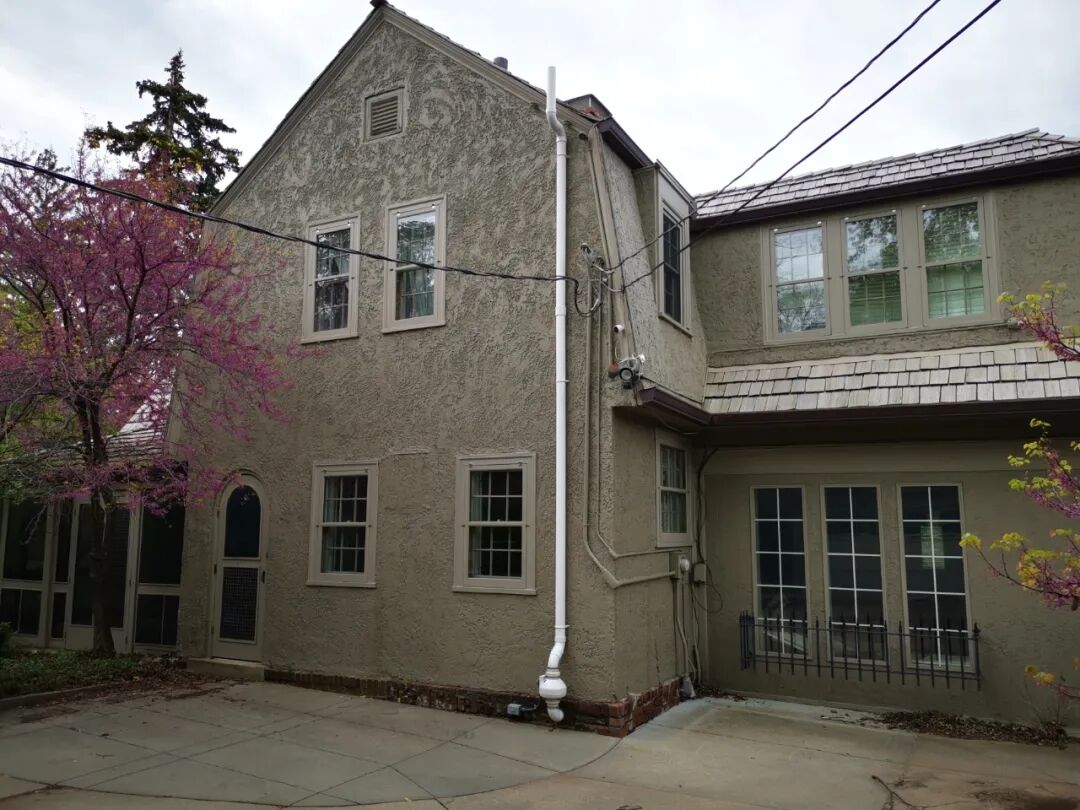 笔者摄于2025年4月30日清晨
The entry of the home at 5202 Underwood Ave.
The office of a home at 5202 Underwood Ave.
照片来源:https://omaha.com/the-omaha-home-where-warren-buffett-started-his-business/collection_69551b86-bce5-11ec-b118-f7fba9339d56.html#10
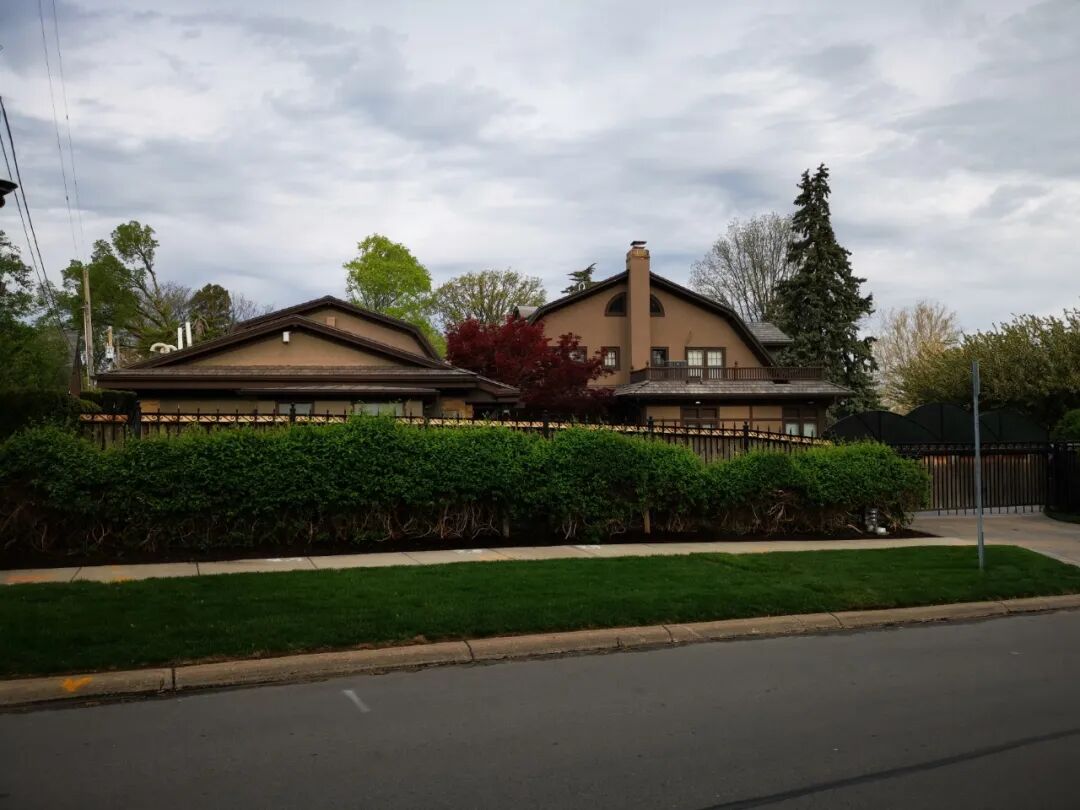
巴菲特的家(1958-今)
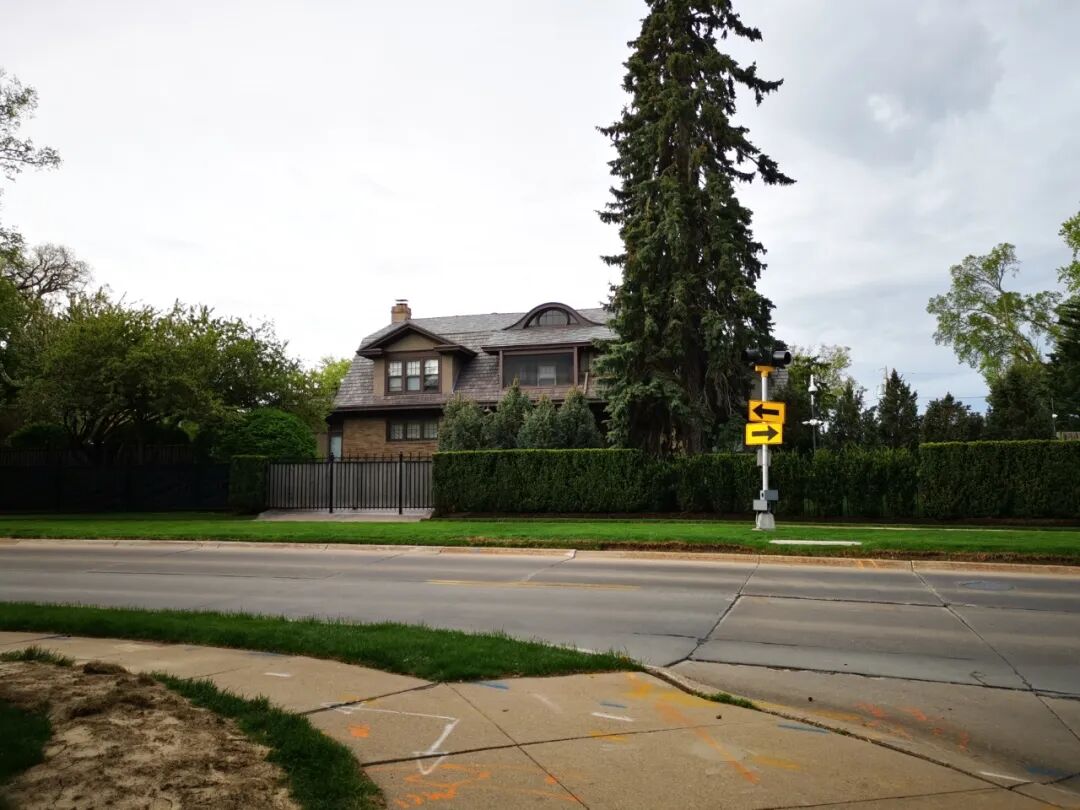 笔者摄于2025年4月30日清晨
![]()
![]()
![]()
![]()
![]() 笔者摄于2025年4月30日清晨
![]()
![]()
![]()
Kiewit Palaza 旧景及新现貌
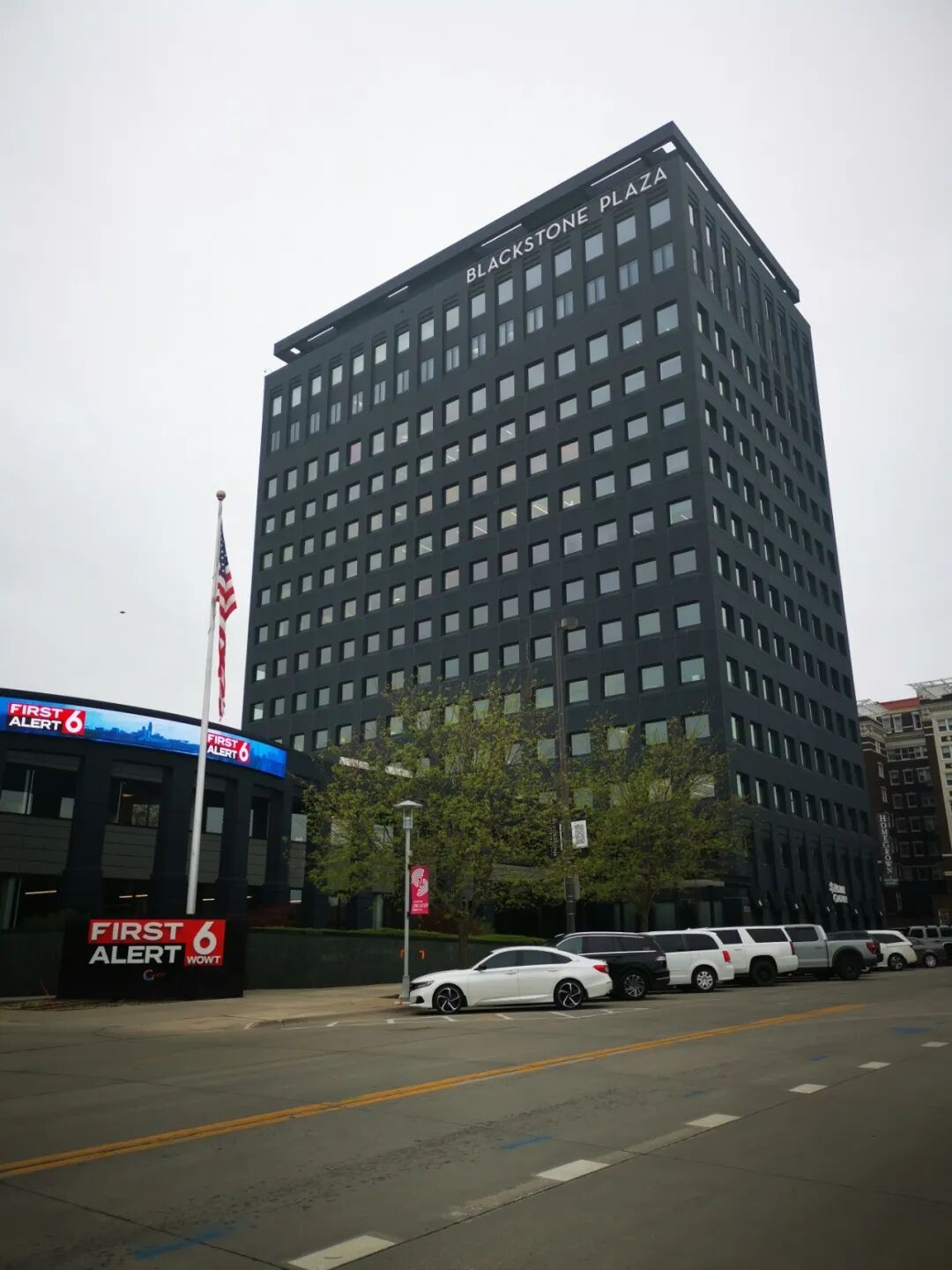
![]() 笔者摄于2025年4月30日清晨
~完~
原创不易
如果您觉得本文有价值
还请点赞打赏,以资鼓励